
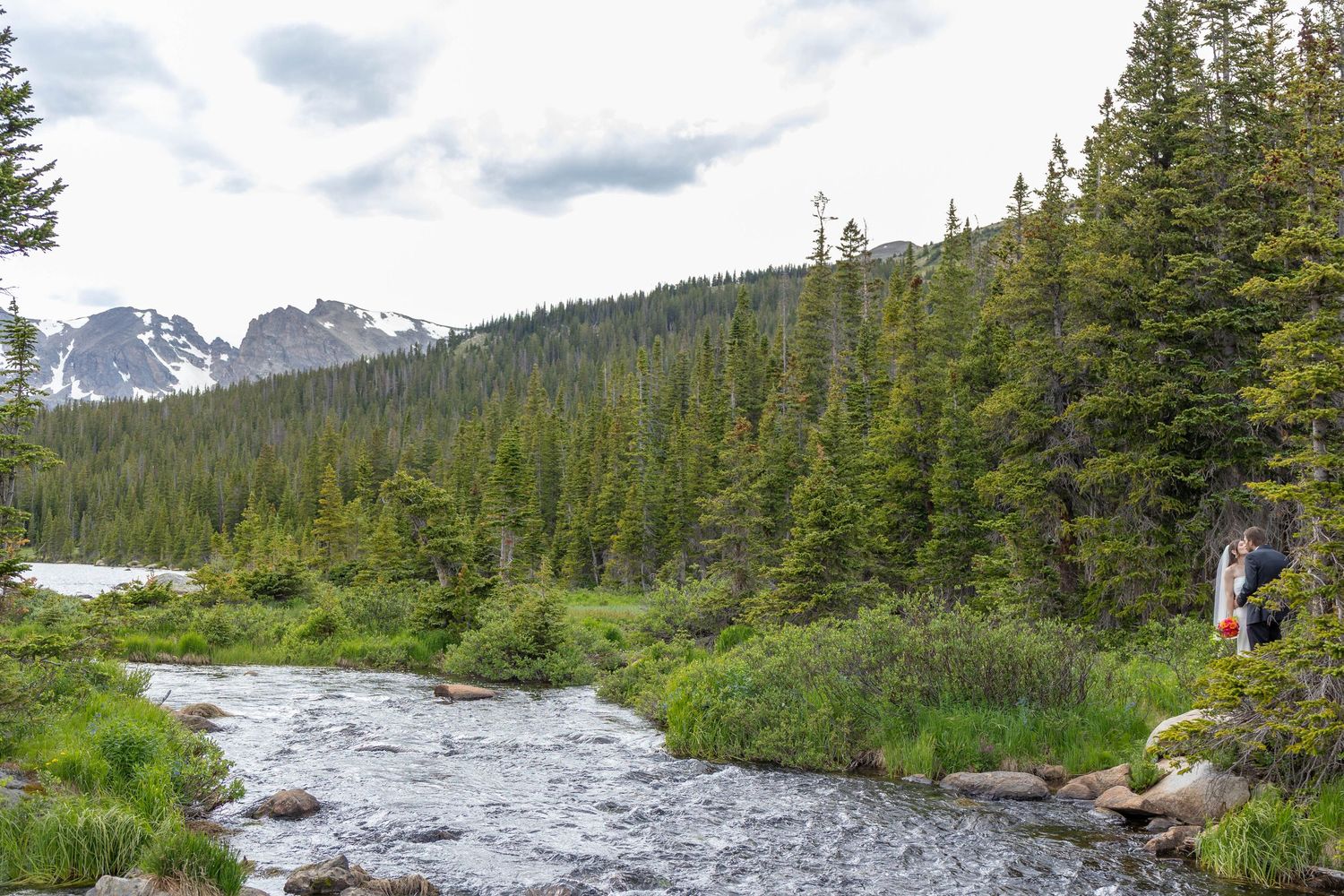
Colorado is beautiful, but not gentle- especially if you're not prepared. If you’ve never been to Colorado, it helps to know that it’s a place that feels bigger and bolder than you expect. The skies seem wider, the mountains rise faster than photos can capture, and the landscape can shift from plains to peaks in the span of a short drive. Colorado often looks relaxed and sunny on the surface, but it’s shaped by altitude, weather, and wild spaces in ways that can surprise first-time visitors. Those who come prepared and listen to their bodies usually have a far better experience than those who assume it will feel like anywhere else.
This is a state where nature isn’t just a backdrop, it sets the rules. The air is thinner, the sun is stronger, and conditions can change quickly, especially in the mountains. At the same time, Colorado has an easygoing culture that blends outdoor adventure with everyday life. Hiking boots and coffee shops coexist and people organize their days around the weather. Come ready to slow down, drink more water than you think you need, and let the landscape guide how you move through it.
denver international airport
Let's start at the beginning of your trip. Unless you're driving to Colorado, you'll be coming in through Denver International Airport. Your first question upon arriving may be, "What on earth is going on at this airport? There's conspiracy paintings and mysterious construction." The answer is, don't worry about it. Then there's the huge, blue, demonic horse statue guarding the entrance. His name is Blucifer and he eats the souls of everyone who carves their initials on the aspen trees. Say hi to him on your way out.
When leaving the airport, there's something you need to understand. Denver International is not in the mountains. It's not even in Denver. It's in West Kansas, and the mountains will be a smudge on the horizon. If you're renting a car, Denver is a 30 minute drive. You can also take the Lightrail in to Union Station, which is right downtown. If you're headed to the mountains, it'll be at least two hours of driving to get to any of the ski resort towns.
road safety
Due to the state's new traction laws, all vehicles headed on i70 West over the mountains passes between September and May MUST have either AWD, 4WD, snow tires, or chains. Yes, this includes rental cars. No, the rental car company is not responsible for giving you a vehicle with any of this equipment. No, I don't know why. It's up to you to check and make sure your car has one of the above if you're headed into the mountains., and request a different one if it doesn't.
Driving on i70 is not like driving on the Illinois tollways. It's not like driving the Audubon, although plenty of people act like it. You can't rip around those curves at 90 mph, especially in the winter. I cannot stress going the speed limit enough, even though I know no one will listen to me. Especially in places like coming down from the Eisenhower Tunnel or going over Vail Pass. It's dangerous enough to drive those roads, let alone with some moron going 80 in a 65 and acting like they're an F1 driver. If you're going too fast in a car that doesn't have the right tires and get in an accident, not only will you get a significant fine but you'll also be public enemy #1 for holding up ski traffic. Slow down.
When traveling through Colorado, especially in places like the scenic byways or in a National Park, the number one rule of road etiquette is Do Not Stop Your Car In The Middle Of The Road. Similarly, don't pull off the road into the grass to park. If you see wildlife or a pretty view, find the next pulloff or parking lot to stop and take a look- but don't get out of the car to approach the wildlife. If you pull off a narrow road and try to drive or park on the protected alpine tundra, you can bet the Park Rangers will find you and have several unpleasant (but correct) things to say about it.
first day self care
Your first day in Colorado is best treated as a gentle landing rather than a full sprint. The higher altitude and dry air will drain your energy, even if you feel excited and ready to explore, so prioritizing self care early makes a big difference.
The number one way to acclimate and fight altitude sickness is to drink water. And I don't mean one little water bottle. I mean keep drinking consistently, with electrolytes, throughout the entire day. When I say it's dry out here, I mean it. Denver's average summer humidity is around 30%. Up in the mountains, the average is a little higher, but still much lower than most places. For comparison, the average summer humidity in Chicago is around 68%, Boston is around 70%, Los Angeles tends to hover between 50-60%, and Miami is generally around 80%. In Colorado your skin will feel drier and you won't sweat as much, but this doesn't mean you're not losing water. In fact, you're losing more but it'll be harder to tell, which is why you should keep drinking consistently throughout the day.
The altitude packs a tougher punch than people expect. Water will help with this, but the best way to acclimate is with time. I highly recommend staying a night in Denver when you arrive in order to get your body used to being at 5,000 ft elevation. I say this because most of the mountain towns sit at 8,000 ft or above, and going from sea level to almost two miles high (and you will hit two miles high going over the Eisenhower and over Vail Pass) is a tremendous strain on your body. The thinner air means your lungs will have a tougher time taking in oxygen, which means you may get winded more easily or develop a headache. If you have the time to adjust slower, take it. It will help immensely with your acclimation and there's nothing worse than having altitude sickness for the first half of your vacation.
ready to come visit the mountains?
Let's chat!