
Colorado is home to four national parks, each defined by dramatically different landscapes, climates, and visitor experiences. From alpine tundra and glacial valleys to desert canyons and towering sand dunes, these parks showcase the full geographic range of the state. While all national parks prioritize conservation and require careful planning to visit, the way you experience each one varies significantly depending on terrain, elevation, and access.
Understanding how each park functions helps visitors choose the right destination for hiking, sightseeing, photography, or extended exploration.
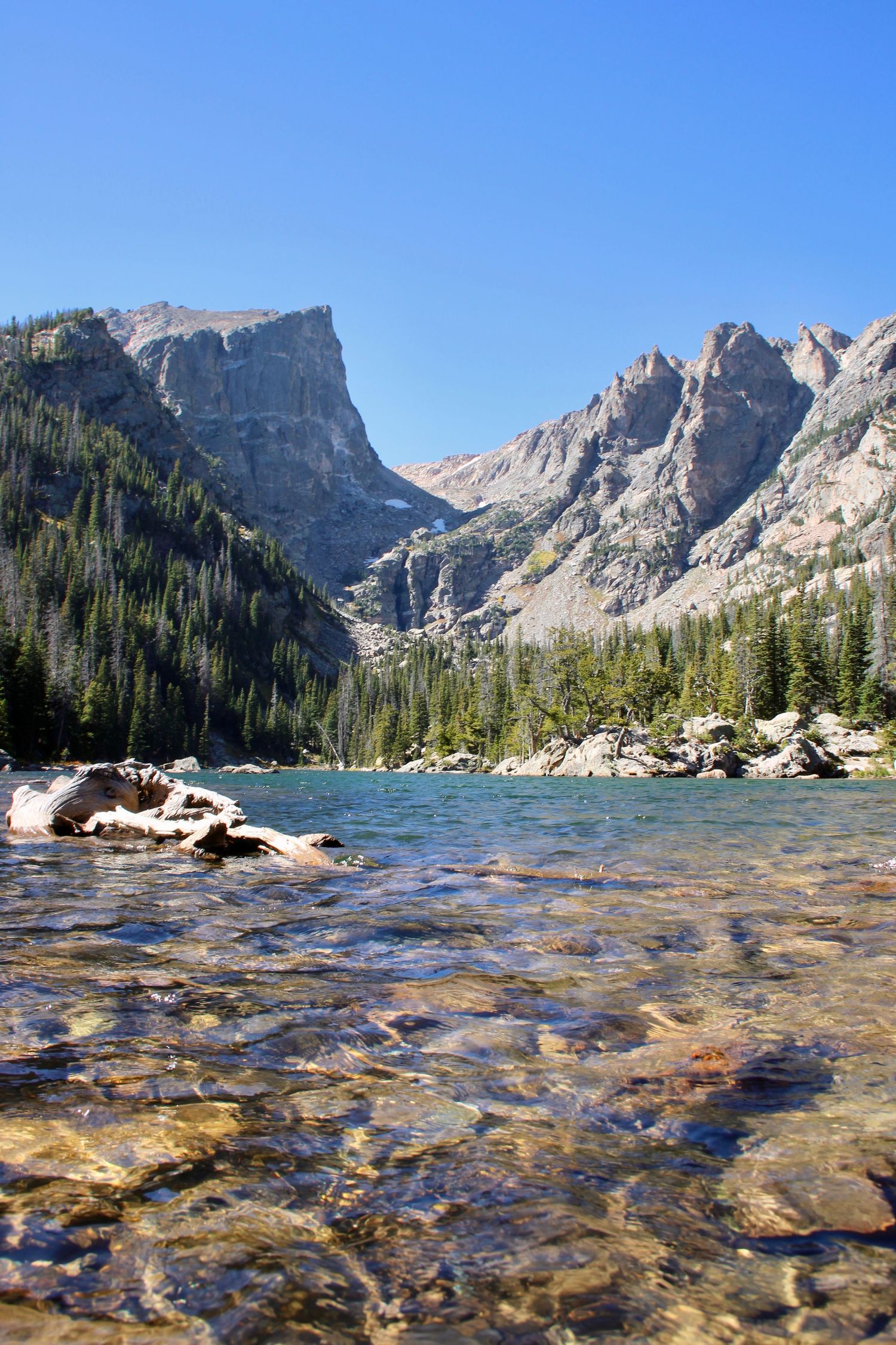
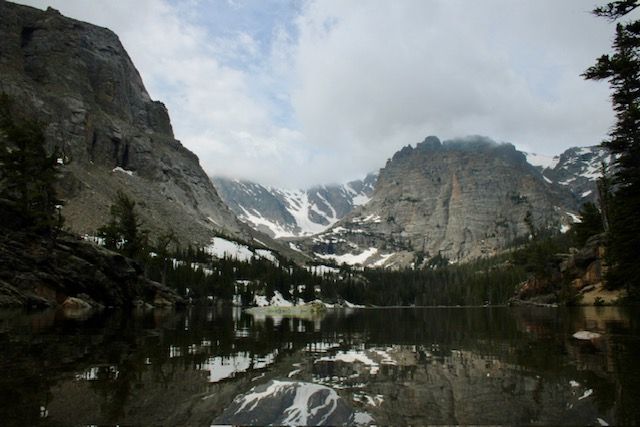
rocky mountain national Park
Rocky Mountain National Park is the most visited national park in Colorado and one of the most accessible alpine environments in the United States. Located near Estes Park and Grand Lake, the park spans the Continental Divide and features a wide range of ecosystems, from montane forests and subalpine meadows to high-elevation tundra above treeline. Elevations range from approximately 7,500 feet in Estes Park to over 14,000 feet at the summit of Longs Peak, which can have a significant impact on the weather and your experience. Trail Ridge Road crosses the entire park from Estes Park to Grand Lake, reaching nearly 12,000 ft at the Alpine Visitor's Center.
Rocky Mountain National Park has hiking options that are accessible to almost everyone. The park contains hundreds of miles of trails, including short, well-maintained paths to lakes and overlooks as well as strenuous backcountry routes that cross mountain passes or climb to summits. Popular hiking areas include Bear Lake, Glacier Gorge, Moraine Park, and Trail Ridge Road corridor trails. Because of the park’s popularity, many trailheads and roads require timed entry reservations during peak season, typically from late spring through early fall. The Bear Lake corridor has a separate timed entry permit requirement due to its popularity, as well as parking and shuttles to mitigate the crowds. There are several access points outside the main gates of the park itself, including Lily Lake, Alberta Falls, and the Longs Peak Trailhead. These also require timed entry permits to access.
Permits and access regulations play a major role in visiting Rocky Mountain National Park. Entrance fees are required year-round, and seasonal vehicle reservation systems are used to manage congestion. Backcountry camping requires permits, and weather conditions can change rapidly due to elevation. Camping is available within the park, but it books out months in advance and campgrounds lack privacy. Luckily, there are plenty of campgrounds outside the park in the surrounding areas. Rocky Mountain National Park is best suited for visitors who want classic alpine hiking, clearly marked trails, and a structured park experience with extensive facilities and visitor services.
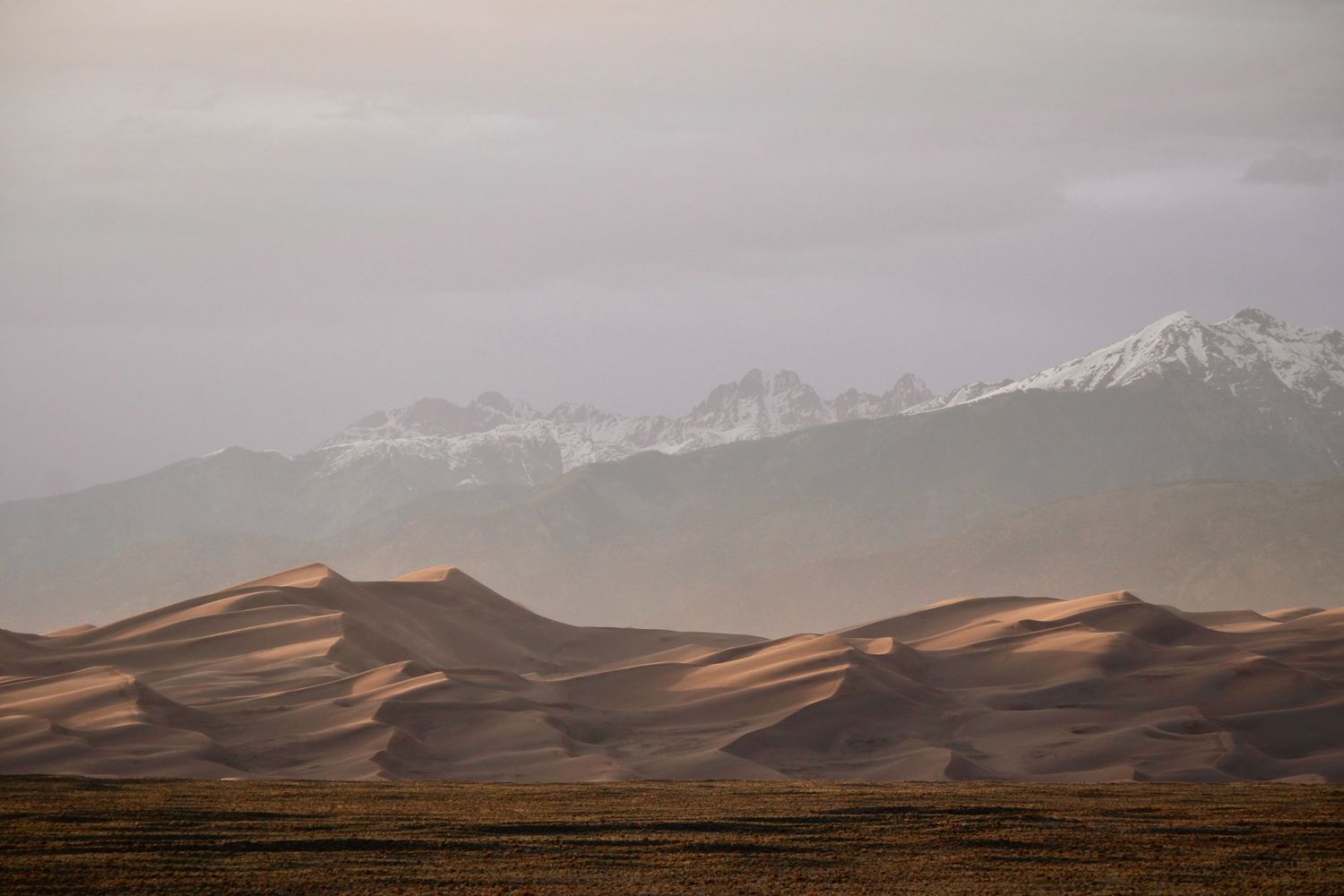
sand dunes national Park and preserve
Great Sand Dunes National Park and Preserve protects the tallest sand dunes in North America, rising more than 700 feet above the surrounding San Luis Valley. What makes this park especially unique is the contrast between the dune field and the nearby Sangre de Cristo Mountains, which create a dramatic backdrop of snow-capped peaks behind rolling sand. Ancient glaciers forming and melting brought sand into the valley, then winds blew the sand up against the mountains, creating the sand dunes.
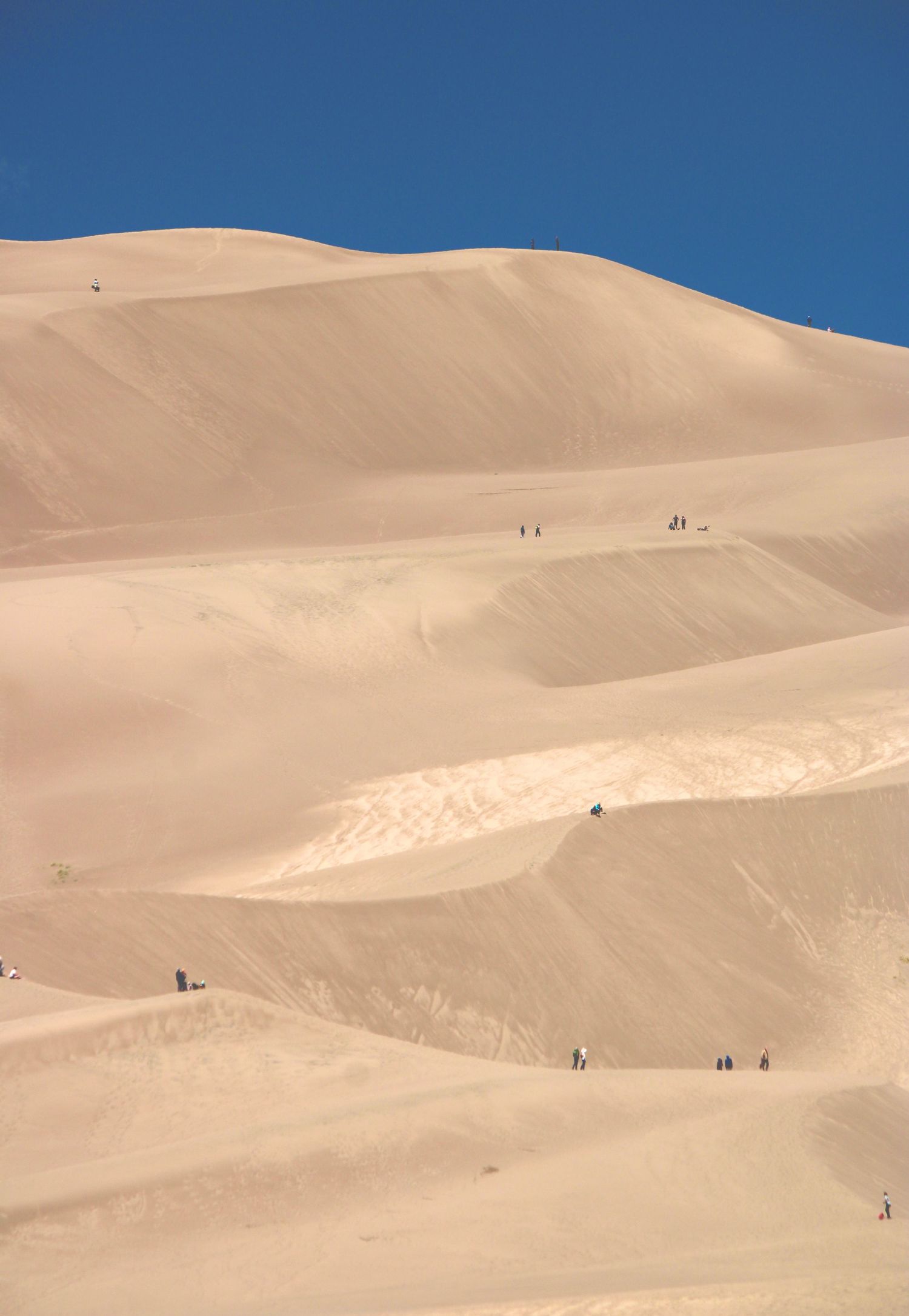
Hiking at Great Sand Dunes is fundamentally different from hiking elsewhere in Colorado. There are no designated trails across the dunes themselves. Instead, visitors hike freely over shifting sand, which makes even short distances physically demanding. This type of hiking requires more effort but allows complete flexibility in route and distance. Beyond the dunes, the preserve includes forested foothills, alpine lakes, and backcountry terrain that require additional planning and permits. The park rangers LOVE giving out tickets for AWD cars that try to go on the 4WD only roads. They don't mess around.
Sand boards and sand sleds are available for those looking for an out-of-the-box activity. Camping is available but sparse both inside and outside the park. In the spring, most sites fill up weeks in advance, especially on the weekends. The main attraction of the dunes is in May, when fresh snowmelt forms Medano Creek, which runs along the side of the park in between the parking lot and the dunes. It peaks in late May, creating a sort of beach against the base of the mountains. Making this my first hiking/camping trip of the year is my favorite way to shake off the cold of winter.
Once you get into the summer, the creek dries up and the sand gets blazing hot by midday. If you plan to visit during this time, sunrise and sunset hiking are the best and safest ways to explore the dunes. Afternoon storms are still very likely, given that the Sangre de Cristo mountains are right next door. Fall and winter are cooler, but the San Luis valley doesn't get quite as cold as some of the higher elevation areas. There are far fewer crowds during this time, with changing aspens and snow dusted sand dunes against the backdrop of the mountains.
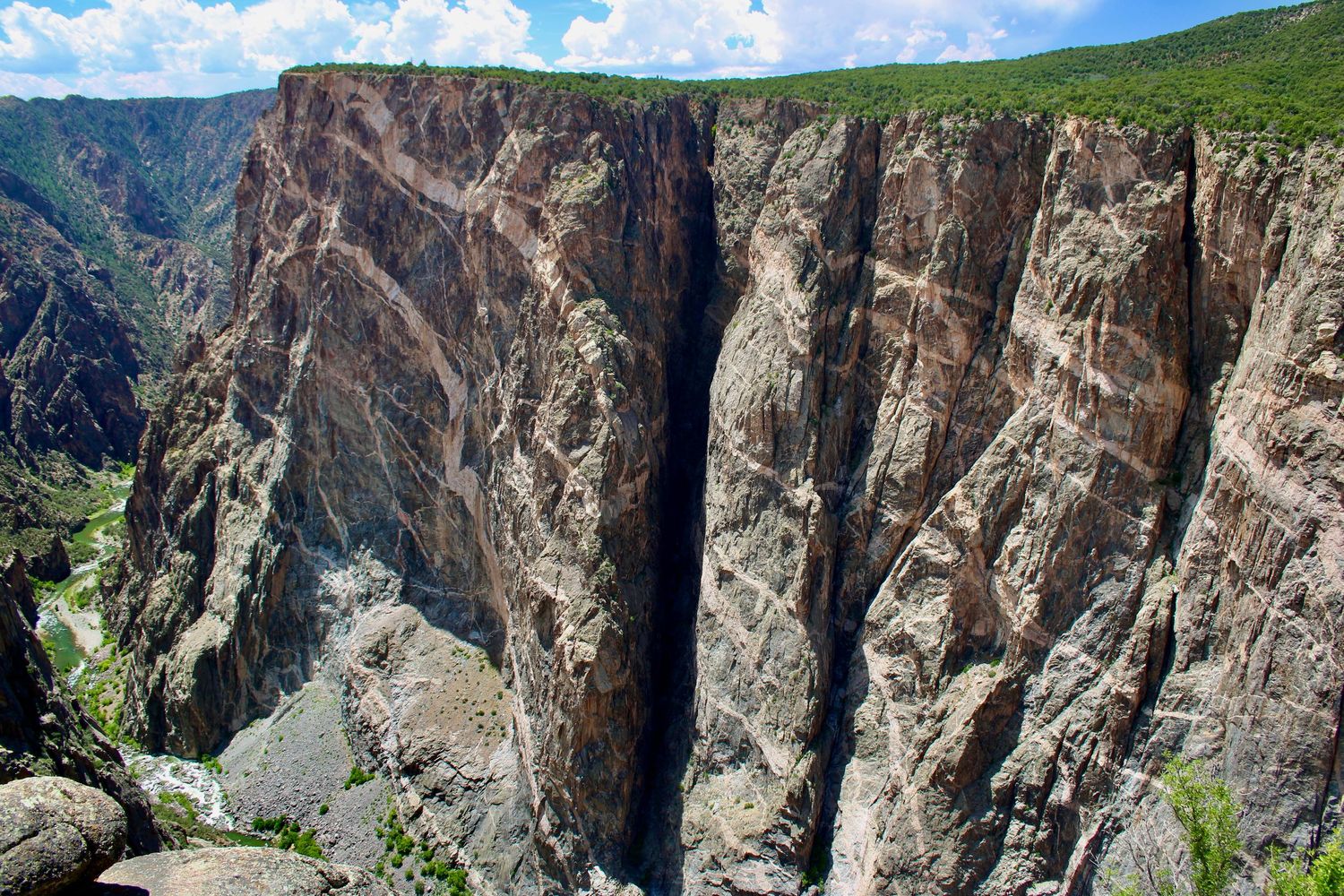
Black canyon of the gunnison national park
Black Canyon of the Gunnison National Park is known for its steep canyon walls, narrow gorge, and extreme vertical relief carved by the Gunnison River. The canyon is one of the deepest in North America relative to its width, creating a sense of scale that feels intense and dramatic. The Painted Wall, one of the main attractions, is more than twice the height of the Empire State Building. Located in western Colorado near Montrose, the park receives far fewer visitors than other Colorado national parks.
Hiking opportunities in Black Canyon are more limited and specialized. Most visitors explore rim trails and overlooks, which provide expansive views into the canyon without long distances or elevation gain. These trails are short but visually striking. For experienced hikers, inner canyon routes descend steeply to the river. These routes are strenuous, unmaintained, and require permits, route-finding skills, and physical endurance.
Permits are required for inner canyon access, and entrance fees apply throughout the park. Services and amenities are limited compared to more popular parks, and road access can be seasonal. Black Canyon of the Gunnison is ideal for visitors who prioritize dramatic scenery, solitude, and a quieter experience over extensive hiking networks or highly developed infrastructure.
** Due to the 2025 fires, campgrounds may still be closed and scenery may still be a little toasted.**

mesa verde national park
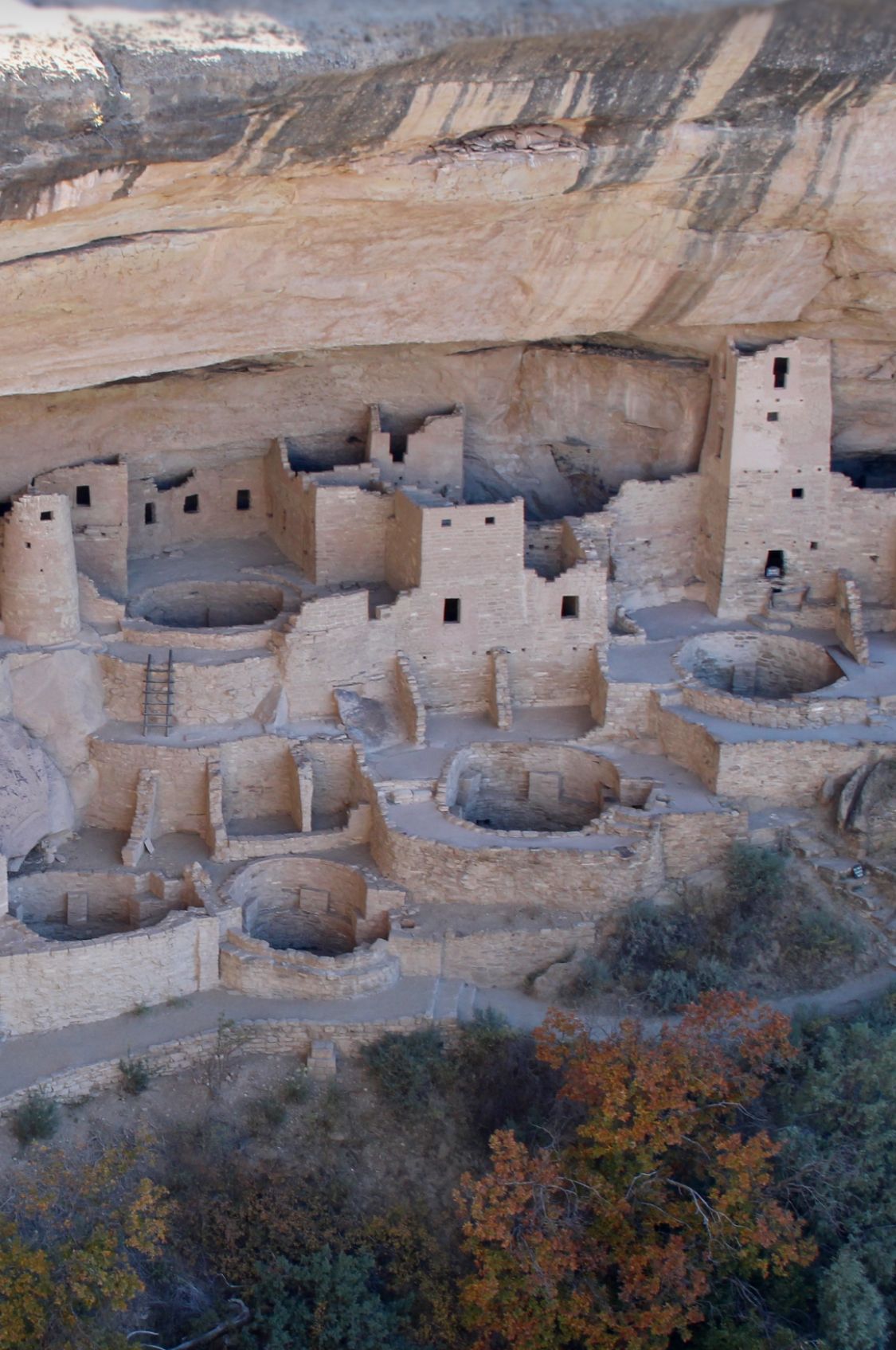
Mesa Verde National Park preserves one of the most significant collections of ancestral Puebloan archaeological sites in the United States. Located in southwestern Colorado near Durango, the park protects thousands of structures, including cliff dwellings built into sandstone alcoves. The landscape is defined by high desert mesas and piñon woodlands rather than alpine terrain.
Hiking at Mesa Verde focuses on cultural and historical exploration, but can still include physical challenge. Some trails lead to overlooks and archaeological sites, with many routes designed to interpret the history of the region. Some of the most well known cliff dwellings require ranger led tours and advance reservations, while other trails allow self guided exploration. The most popular are the Cliff Palace, which is the largest cave dwelling in North America and requires climbing stairs and ladders, and the Balcony House, which is more difficult and requires scaling several ladders up a cliff face and crawling through a narrow rock tunnel.
Entrance fees and permits are required, and access to certain areas is carefully controlled to protect cultural resources. Elevation is lower than in other Colorado national parks, resulting in warmer temperatures and a longer hiking season.
September 27th, 2026
The Five Best 4x4 Locations for Summit County Elopements
September 27th, 2026
Five of the Most Unique Ways to Elope in Colorado
September 13th, 2026
Survival Tips for Visiting Colorado
September 13th, 2026
How To Elope With Your Cat
July 19th, 2026
How To Elope at Brainard Lake Recreation Area
June 13th, 2026