
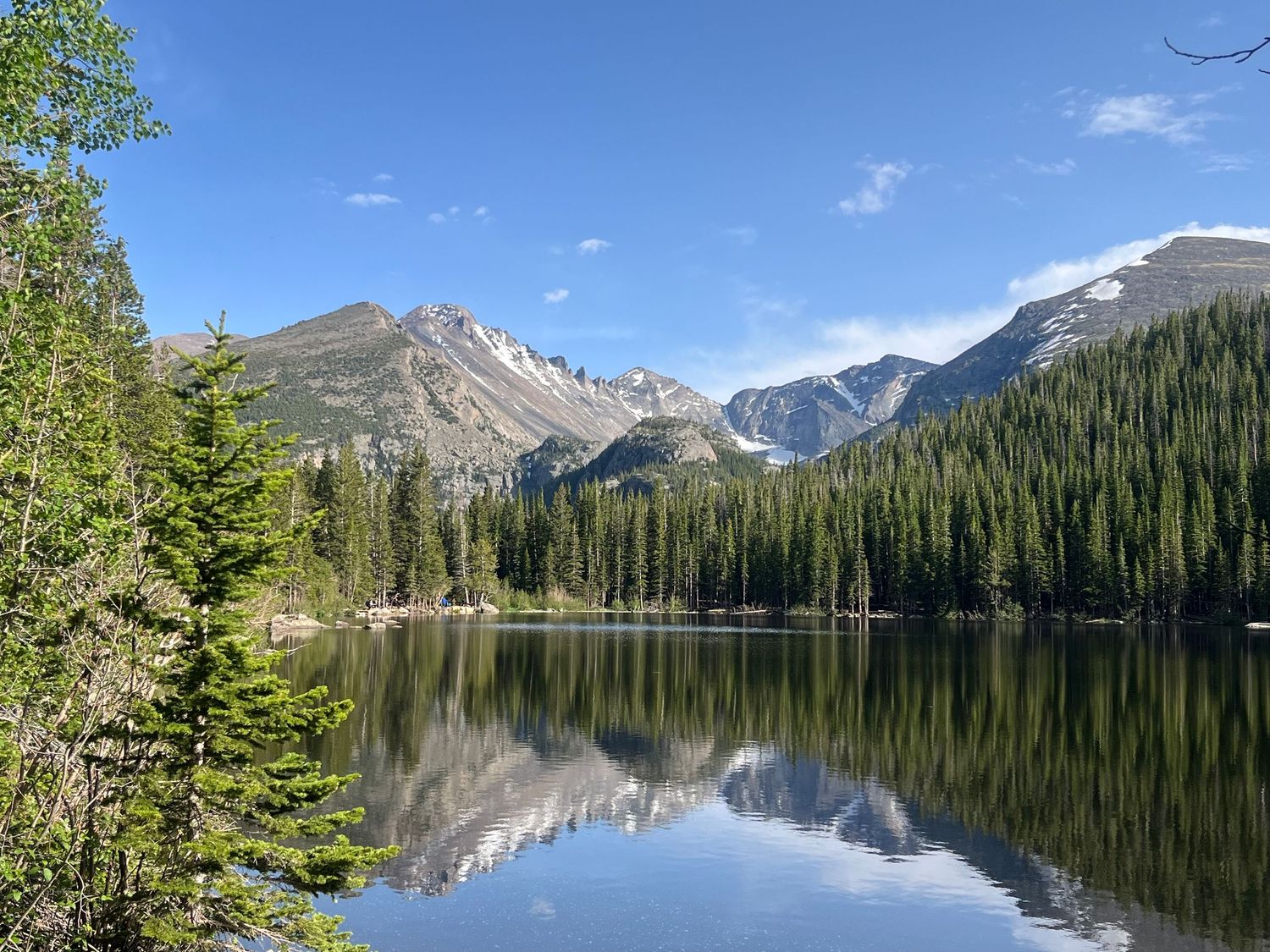
I’ll be honest, it’s a whole lot easier to pet a moose than it is to predict Colorado mountain weather. While the weather does follow general seasonal patterns, it’s not uncommon to experience all four seasons in a single day, especially at higher elevations. Sunshine can quickly turn into wind, rain, or even snow, and then clear just as fast.
That unpredictability is simply part of what makes eloping in the Colorado mountains such an adventure. And contrary to what many couples worry about, unexpected weather is not a reason to avoid a mountain elopement. In fact, those surprise conditions often lead to the most fun, authentic, and memorable elopement experiences. Storm clouds rolling over the peaks, fresh snow in the summer, or dramatic light after a rainstorm can elevate your photos and make your day feel truly unforgettable.
With thoughtful planning, flexible timelines, and an experienced Colorado mountain elopement photographer who knows how to adapt to changing conditions, weather becomes part of the story rather than a setback. Embracing whatever the mountains bring often results in some of the most breathtaking scenery and meaningful moments of your entire elopement day.
WHICH SEASON IS BEST FOR ELOPING?
The quick answer? You can't choose wrong. Each season has its pros and cons as far as weather and accessibility.
I've gone into each one in detail below.
winter
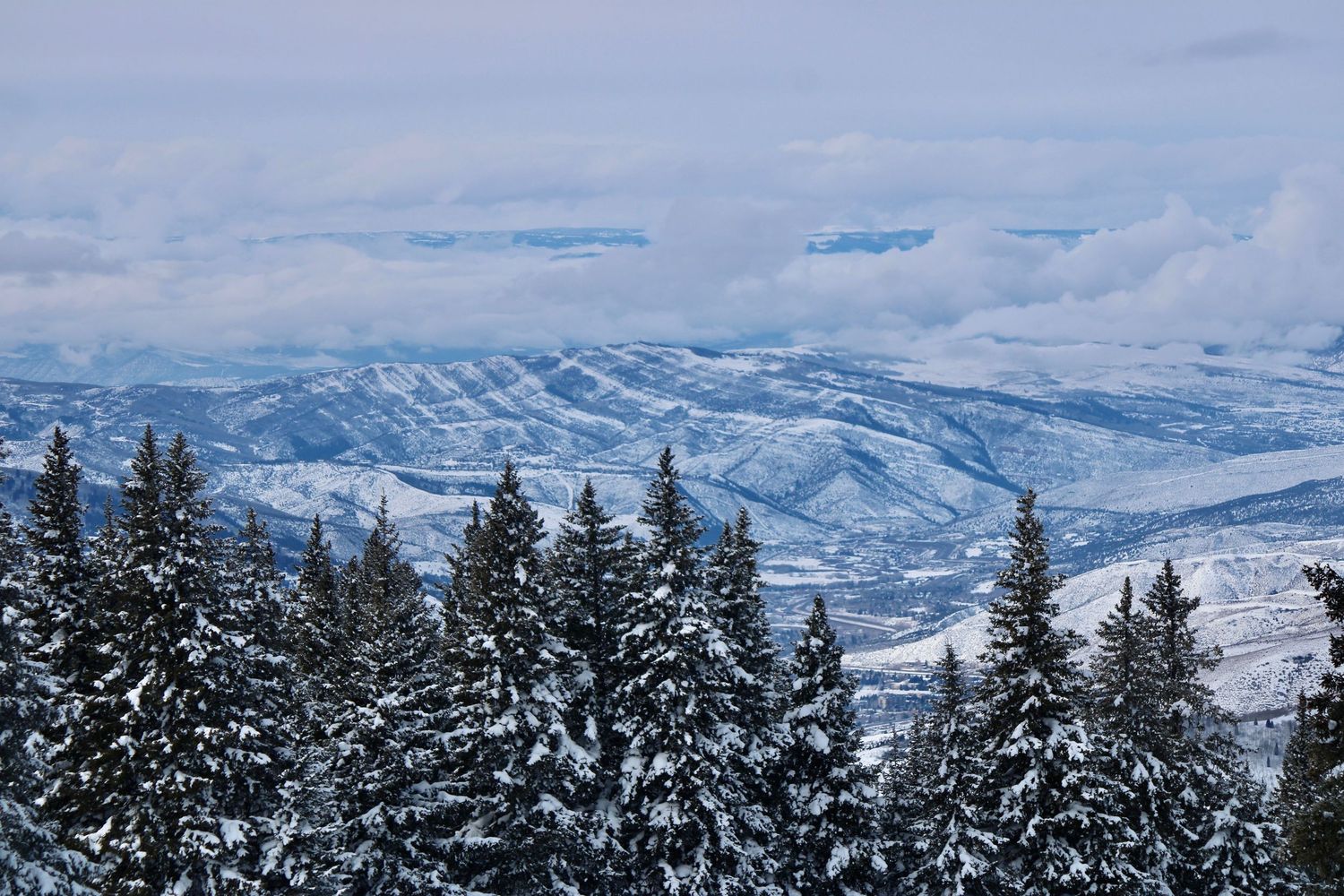
The mountains of Colorado never fail to deliver on snow-capped peaks and a truly magical winter wonderland vibe. Starting in mid-December, mountain towns across the state prepare for the winter season as ski slopes open and the surrounding landscapes transform into a snowbound paradise. For couples dreaming of an intimate, snowy mountain elopement, winter in Colorado is nothing short of breathtaking.
Unlike winter in cities like Denver or Boulder, winter in the mountains stretches from mid-November to mid-April. During this time, the high country is fully covered in snow, offering an entirely different atmosphere. The landscape is completely transformed into pristine snowfields, frozen lakes, and snow-dusted trees creating a serene, gorgeous backdrop for your elopement day. While winter hiking elopements are still possible, they come with additional challenges. The trails in high-elevation areas are often buried under several feet of snow, making traditional hiking more difficult. For adventurous couples determined to elope on a trail, snowshoes or skins are a must! However, most couples opt for more accessible winter elopement locations such as scenic overlooks or snowy meadows that offer easy access without sacrificing the mountain views.
Winter weather in the mountains can be incredibly unpredictable. Storms can roll in quickly and major mountain passes and I-70 (the highway that connects many ski towns) can close with little warning. Winter road conditions, avalanches, or snowstorms could cause travel disruptions especially at higher elevations. This is why it’s crucial to plan ahead and have a backup plan (or even a Plan B, C, and D) ready to go. Make sure you and your photographer are prepared with flexible timelines and multiple alternative locations that are easily accessible in case weather or road closures impact your original plan.
One of the growing trends in Colorado is ski and snowboard elopements, where couples choose to get married at a ski resort, whether on a chairlift or at the base of the slopes. With over 30 ski resorts in Colorado, there's no shortage of winter elopement options for couples who love the thrill of skiing or snowboarding. These adventure-filled elopements provide a unique, fun twist on traditional weddings, and the snow-capped peaks serve as the perfect backdrop for your vows.
Despite the challenges, a winter elopement in Colorado can be one of the most romantic and unforgettable experiences. The quiet beauty of snow-covered mountains and the magical atmosphere of exchanging vows in a snow-filled wonderland creates a truly unique and intimate setting for your special day. Plus, with fewer crowds during the winter months your elopement will feel peaceful and private, allowing you to focus fully on each other and the moment.
Planning a winter mountain elopement in Colorado can be as challenging as it is rewarding, but with the right preparation, it can be an experience you’ll treasure forever. The mountains of Colorado provide a stunning winter backdrop that you just won’t find anywhere else.
spring
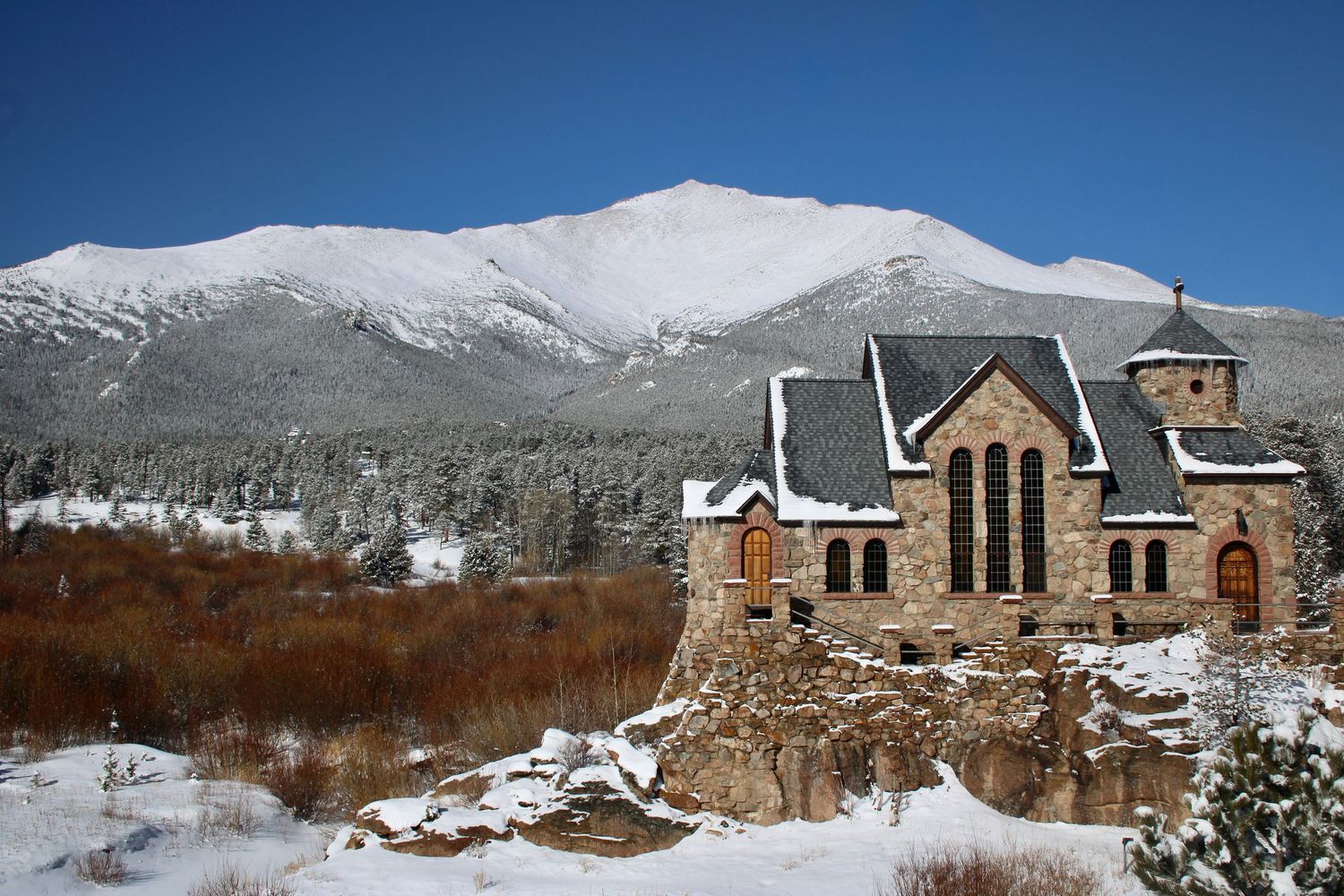
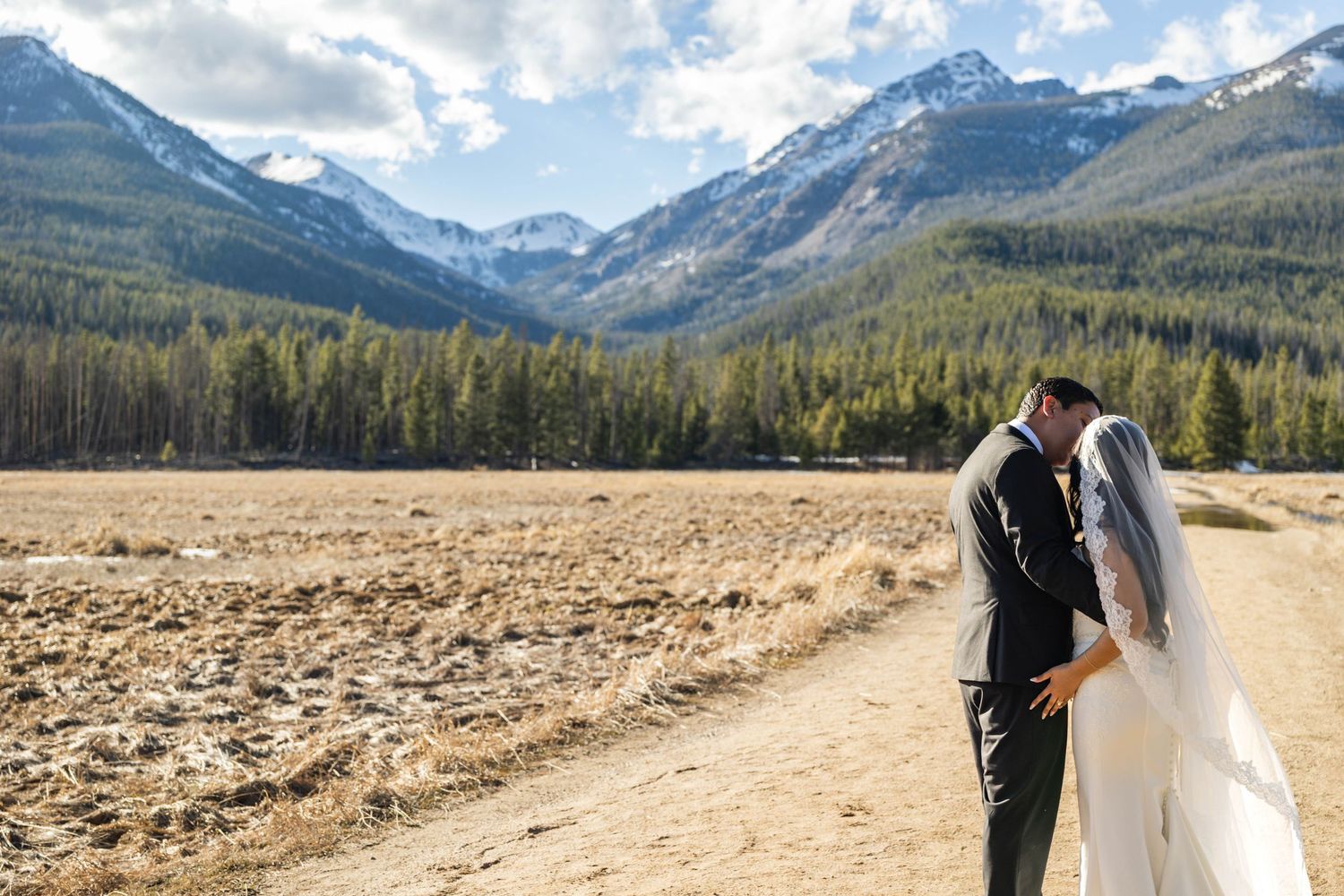
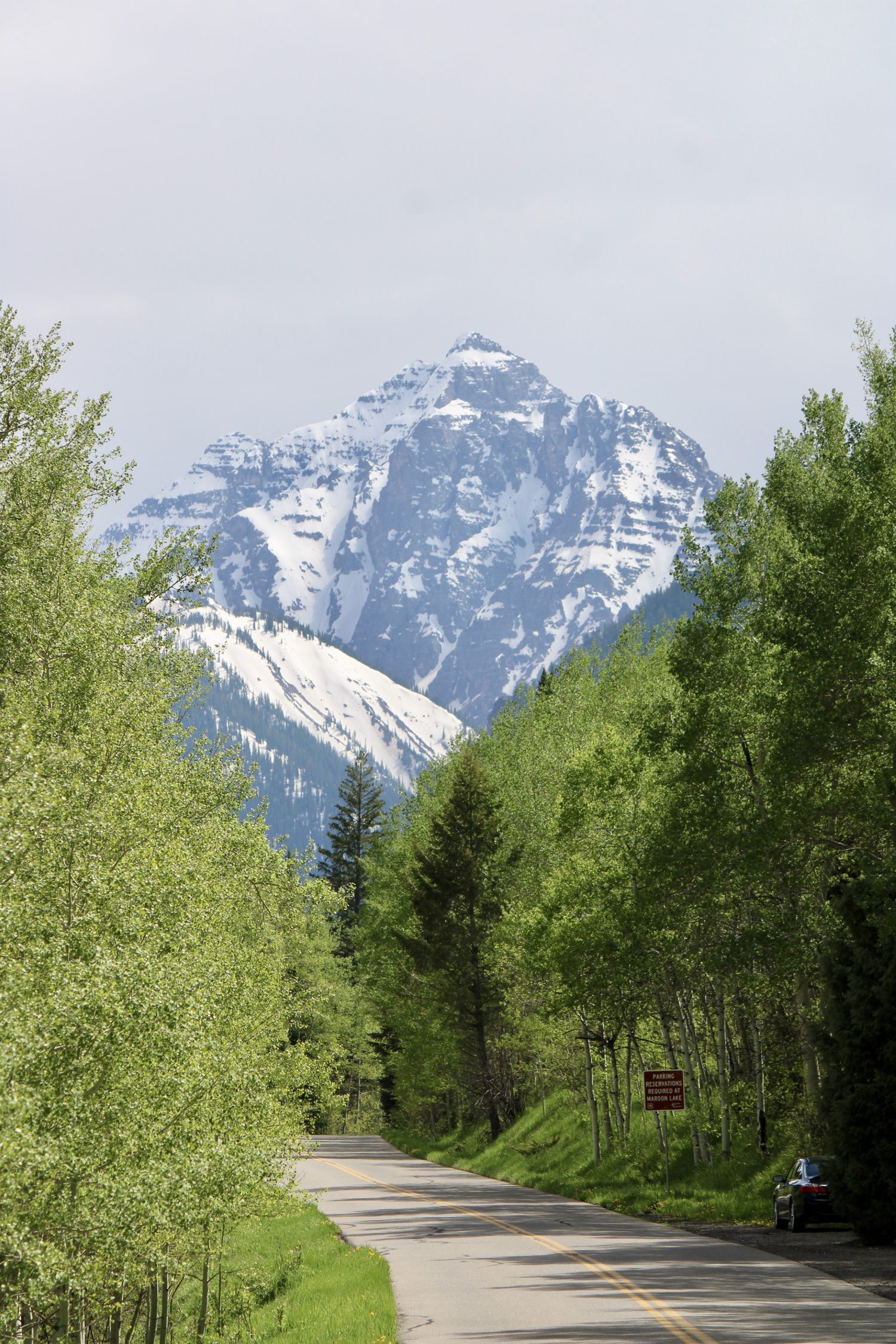
Up in the mountains, there's no such thing as Spring. Down in the cities, around Denver, Boulder, and Colorado Springs, they have the traditional warm May temperatures and flowers. The mountains, on the other hand, follow a very different pattern. From the time ski resorts close in late April through the end of May, the high country enters what locals call mud season. During mud season, the mountains are still shaking off winter. Snow still covers most of the trails and the aspen trees usually don’t pop their leaves out until the first week of June at the earliest. During mountain spring, you get melting snow and muted colors.
That said, a spring mountain elopement in Colorado can still be incredibly beautiful, as long as you have expectations that align with the season. Rather than wildflowers and green meadows, couples should plan for a more wintry aesthetic that still allows for stunning elopement photos. These are the mountains at their most inhospitable, but they are no less beautiful.
One of the biggest advantages of eloping during mud season is the lack of crowds. Once ski resorts close, tourism slows significantly across the mountain towns. Places like Vail will almost be ghost towns. This means far fewer people on trails, more flexibility when choosing locations, and more affordable pricing for lodging, vendors, and accommodations. For couples who value a quieter experience, spring can be an ideal time to elope in the Colorado mountains.
With the right planning, realistic expectations, and an experienced Colorado mountain elopement photographer to guide location choices, mud season can offer a truly unique and memorable elopement experience- one that trades flowers for snow and crowds for solitude.
early summer
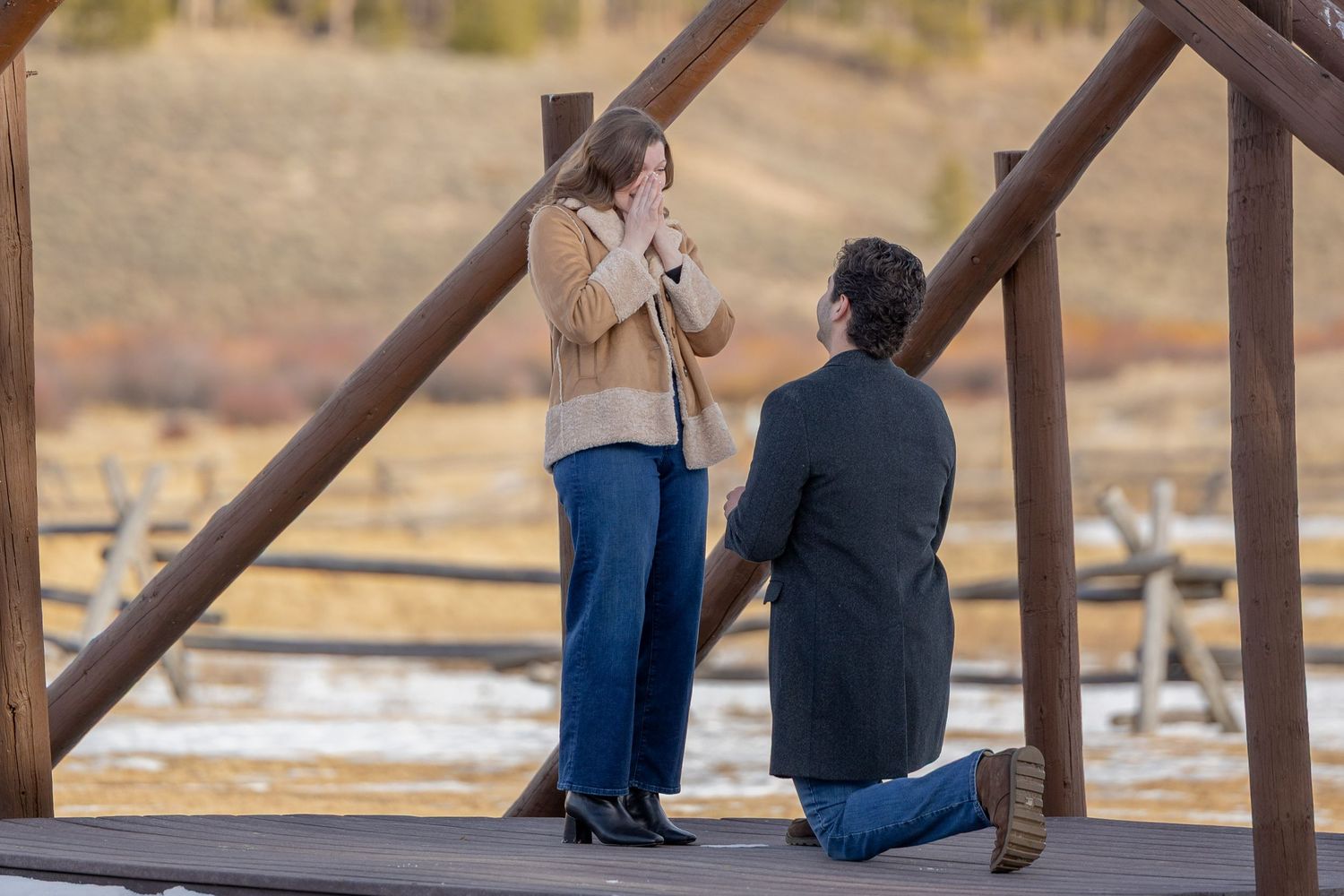
June in the Colorado mountains is the closest thing to spring you’ll find at high elevation. Aspen trees will burst into fresh shades of green, early wildflowers will begin to bloom, and the peaks remain beautifully snowcapped in the distance, which creates a stunning contrast that’s perfect for mountain elopement photos. It’s a transitional month, but it's the start of summer and the warmer weather.
As we get closer to the summer solstice, the mountains will slowly open up for adventuers. The 4x4 roads, the trails, and a lot of the high elevation areas will become more accessible the later in the month we get. Late June a great time for couples who want alpine scenery without peak summer crowds. While some trails may still hold snow, especially at higher elevations, the likelihood of surprise snowstorms is much lower compared to earlier spring months.
That said, June mountain weather in Colorado can still vary significantly. Warm, sunny mornings can turn to cool temperatures, wind, or brief rain showers in the afternoon so flexibility and proper layering are crucial. Higher-elevation hikes may still require route planning and realistic expectations when it comes to timing and attire, particularly for couples hoping to elope at alpine lakes or above treeline. One of my most important hiking rules is, "June hikes, bring spikes." There has been more than one occasion that I didn't follow that rule and regretted it.
If you don't really feel like playing roulette with the weather, lower elevation mountain areas like Glenwood Springs, Estes Park, or even Great Sand Dunes National Park are amazing alternatives that behave just a little bit more predictably for May and June.
Overall, June is a beautiful and honestly underrated time to plan a Colorado mountain elopement. With everything turning green, the dramatic snowcapped peaks, and fewer crowds than July and August, it’s an ideal month for couples who want a quieter experience that feels like the mountains are just beginning to wake up for the season.
late summer
Yes, I've split summer into two pieces. Late summer- true, Colorado summer, is so different it deserves it's own section.
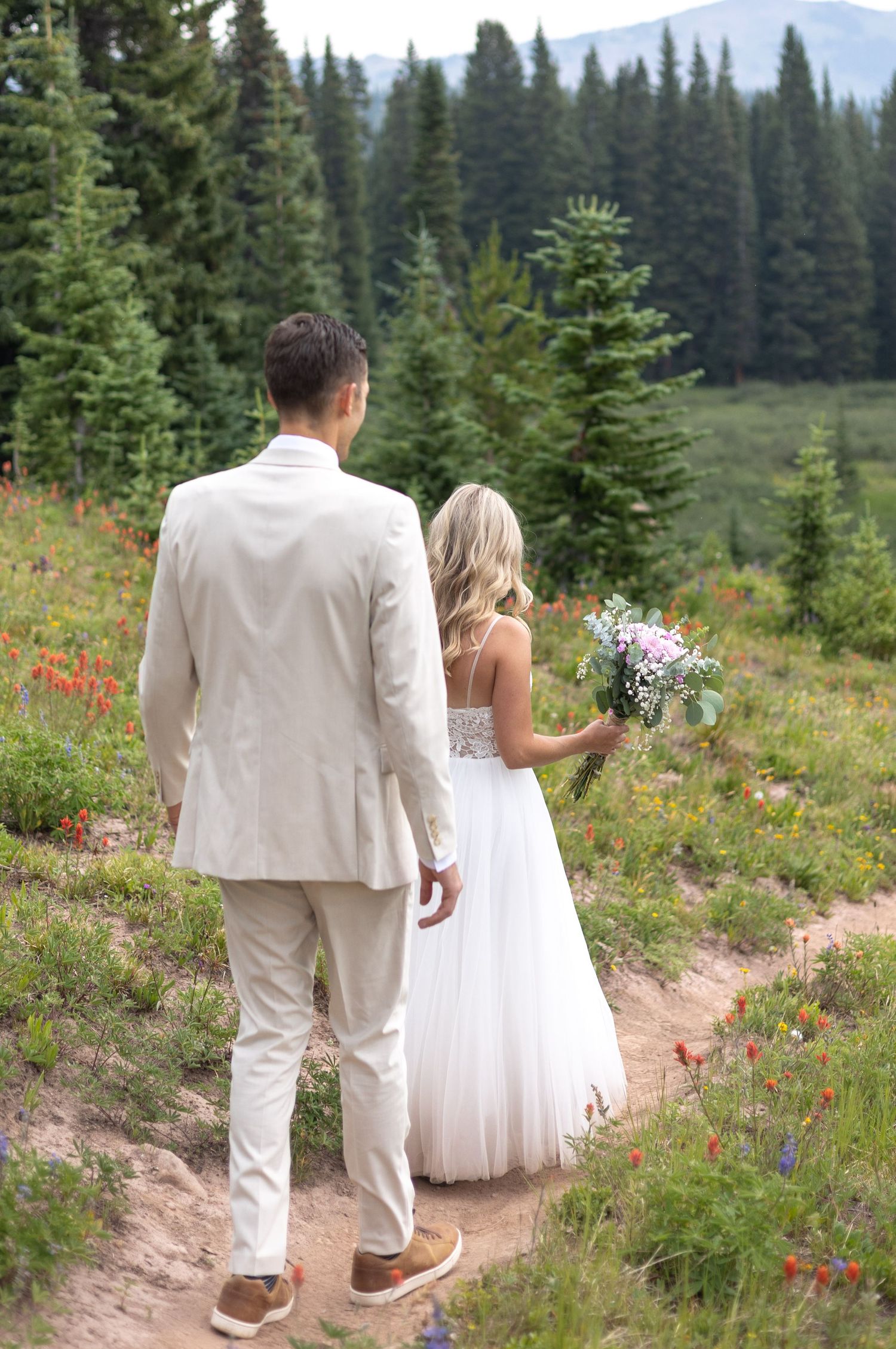
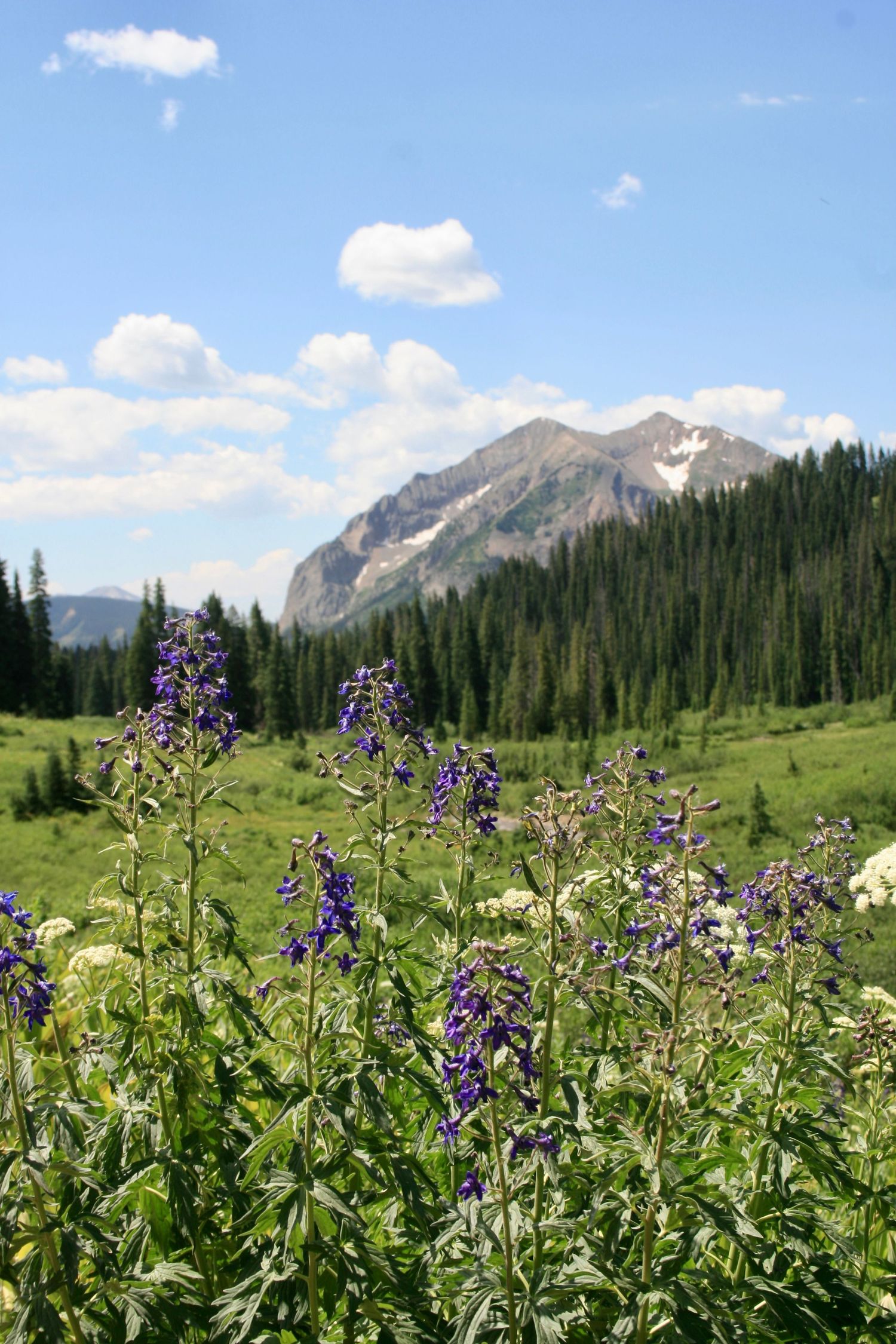
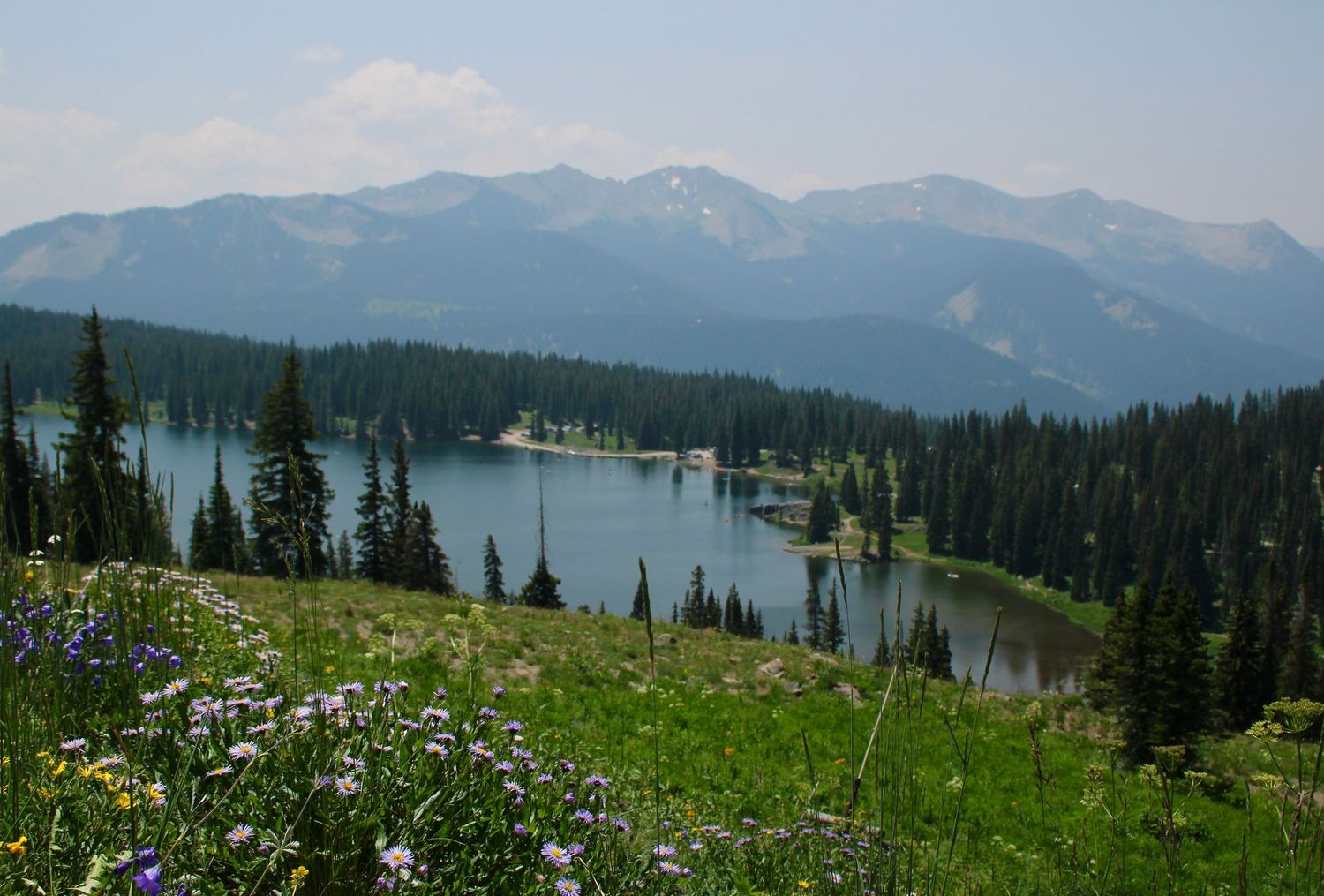
July and August are the warmest and most accessible months for mountain elopements in Colorado, making them especially popular for couples planning hiking and adventure elopements. By late June, 95% of the snow is melted off the trails and the wildflowers are headed towards full bloom.
This is truly the season when anywhere in the Colorado mountains is fair game. From alpine meadows to remote lakes- and even the summits of Colorado Fourteeners- summer is what lets adventurous couples dream big. If your goal is to exchange vows on a mountaintop or at the end of a scenic hike, all you need is the right planning and a photographer experienced in Colorado hiking elopements to make it happen.
However, with warm weather and peak trail access come a few important considerations. The first is crowds. Once summer arrives, tourist season and wedding season overlap, especially in popular mountain towns and national parks. Lodging, vendors, and venues tend to book quickly and may be more expensive, particularly on weekends. This is why I strongly recommend mid-week elopements or weekday weddings for couples who want more privacy, flexibility, and availability during the summer months.
The second factor to plan for is mountain weather, specifically afternoon thunderstorms. In the Colorado high country, storms tend to roll in almost like clockwork in the early to mid-afternoon, especially in July and August. While these storms are usually brief, often lasting only 20–30 minutes, it’s important to keep a close eye on weather forecasts when hiking or planning a ceremony at high elevation. I’ve seen many couples (and their families) panic as dark clouds gather over the mountains shortly before a ceremony, only to have the storm pass quickly and leave behind dramatic skies- or even a rainbow. With good planning and a little luck, these weather moments often become some of the most unforgettable parts of the day.
Despite the crowds and afternoon storms, late summer remains one of the best times to elope in the Colorado mountains. With the right mindset, backup plans, and an experienced elopement photographer guiding the process there’s always a way to make it work. The result is a day filled with adventure, beauty, and memories you’ll never forget.
fall
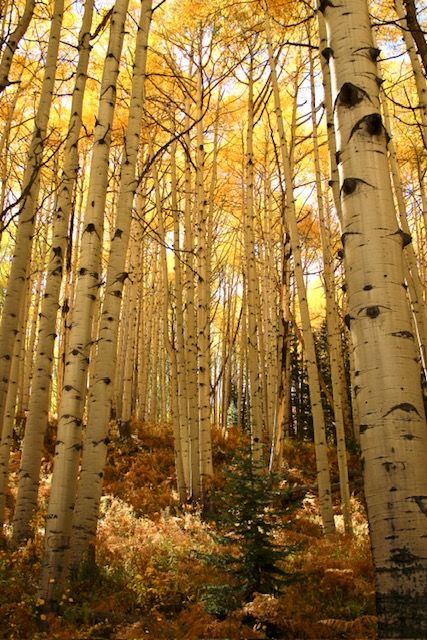
Ah, fall. That magical time when the aspen trees turn brilliant shades of gold and the first snow begins to dust the tallest mountain peaks as the Colorado mountains transform into something straight out of a fairytale. And while that magic is undeniable, it’s also fleeting. The peak fall color season in Colorado typically lasts only about three weeks, making it one of the most sought-after times for a mountain elopement.
September is the most popular month to elope in Colorado. Because of this, fall is also the busiest season for Colorado elopement photographers. If your vision includes exchanging vows with that classic golden backdrop, booking early is essential- both for your photographer and for your dream location.
In most mountain regions, aspens begin to change color in early September, with peak fall foliage usually occurring around the third to last week of the month at higher elevations. In southern Colorado, particularly in the San Juan Mountains the aspens tend to hold their color a bit longer, often peaking in the first or second week of October. However once that first burst of gold appears, the transition happens quickly. Within a month, the mountains shift from vibrant fall color to bare trees and the early signs of winter. Weather during a fall mountain elopement in Colorado is typically cooler and more mild than summer, with fewer afternoon thunderstorms. That said, the chance of early snow increases as the season progresses, especially toward late September and October at higher elevations. This month often creates some of the most breathtaking and dramatic elopement photos of the year.
Fall elopements in the Colorado mountains are consistently my favorite. There's something magical about walking down a trail with golden aspen leaves falling around you like confetti with late afternoon sun filtering through the trees. And while the classic spots like Crested Butte and Maroon Bells are the two spots you see the most, rest assured that there are plenty of other places with easier access that are just as stunning.
The most important thing to remember is that no matter which season you choose, your elopement will be beautiful and capture that ineffable essence of the mountains. Each season comes with its pros and cons, so it really comes down to what you want as a backdrop and the activities you'd like to do. If you'd like more details or want to chat about what your elopement could look like, send an inquiry through the link below to book your free consultation call.